5 things every Latino migrant should do when visiting Texas
Tuesday 23 Sep 2025
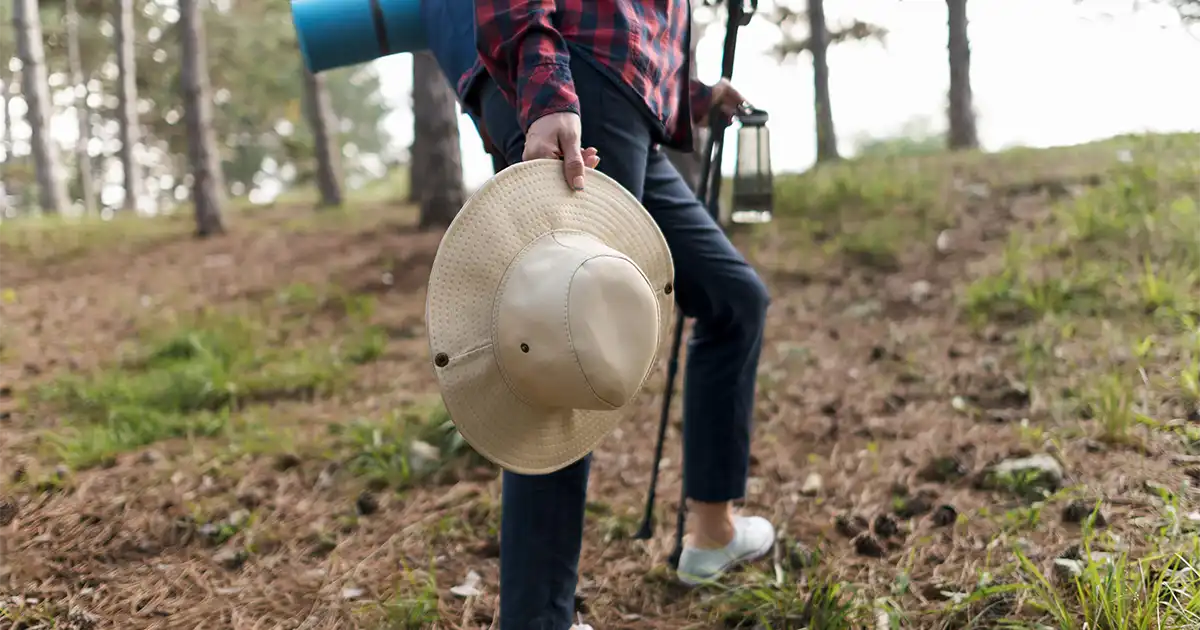
When you arrive in Texas as a Latino migrant, taking certain steps can make your stay safer, more fulfilling, and well-connected. Doing your research in advance, knowing your rights, and tapping into community support will help you enjoy Texas without avoidable stress.
Whether you’re from Colombia, Venezuela, Perú, Ecuador, Argentina, Guinea Ecuatorial, Guatemala, República Dominicana, México, or any other Latin American country, these tips are for you. Be sure to also plan logistics like transportation, housing, or language support before you arrive—this will allow you to travel easier and enjoy more fully comparing final expense insurance options so you feel protected in case of unexpected events.
Also, as you settle in, keep in mind that having a safety net—legal, financial, and health-wise—makes a big difference. Learn where to find trusted help, and don’t hesitate to reach out when needed. Start by comparing final expense insurance quotes online, monthly cost, no medical exam so you can travel tranquilo and enjoy the maximum of what Texas has to offer.
Explore Texas cultural landmarks
Texas is filled with historical sites that tell the story of multiple cultures: Indigenous, Spanish, Mexican, Texan, and more. Visiting landmarks offers a chance to understand history, heritage, and identity—important for migrants seeking connection.
Texas also has museums, missions, forts, and battlefields that provide free or low-cost entry days. Make sure you check ahead for hours and special events, especially since many sites host bilingual tours or materials in Spanish.
Visiting the Alamo and its historical meaning
The Alamo in San Antonio is one of the most iconic historic sites in Texas. It was originally a mission and then a fortress site of the 1836 battle during the Texas Revolution. For many visitors, it is a symbol of resistance, change, and mixed cultural roots.
You can tour the chapel, see exhibits about the early 1800s, and understand how stories of migration, defense, and identity intersect in Texas history. There is no charge for the Alamo grounds; fees apply for certain exhibits and guided tours.
Experiencing San Antonio’s River Walk
- Walk along the scenic River Walk, where you’ll find restaurants, shops, art, and live music—a living cultural hub that reflects both Texan and Latin American flavors.
- Boat tours, riverboat rides, or evening strolls under lights are magical and family-friendly.
- Many restaurants and vendors offer menus in Spanish and foods from México and Central/South America, so you can feel at home.
Enjoy authentic food experiences
Food is one of the most immediate ways to feel connected in a new place. In Texas, Latin American food is everywhere—and each city has its own twist.
You’ll find everything from tacos, pupusas, and arepas to ceviche, empanadas, and anticuchos. Try to explore both well-known restaurants and smaller, family-run places. These small businesses are often run by migrants from your own or neighbouring countries, which adds warmth and familiarity.
Discovering Tex-Mex flavors across the state
Tex-Mex is a unique fusion of Mexican and Texan cuisines—think fajitas, enchiladas with cheese, queso, brisket tacos. Some cities like Houston, Dallas, El Paso, and Austin are famous for exceptional Tex-Mex. Don’t miss out on street food trucks and food markets, which often offer less expensive, authentic options.
Finding Latin American restaurants that feel like home
Here is a table of examples of restaurants & cuisines by city; useful if you are from specific countries:
| City | Restaurants & Cuisines You Might Like | Highlights |
|---|---|---|
| Houston | Venezuelan arepas, Mexican taquerías, Peruvian cevicherías | Fresh seafood, casual settings, Spanish spoken |
| Dallas | Salvadoran pupusas, Guatemalan tamales, Argentine parrillas | Friendly staff, often family-run, good prices |
| San Antonio | Mexican-American fusion, Tex-Mex staples, Caribbean flavors | Historic ambience, river-walk dining |
If you come from Colombia, Venezuela, Perú, Ecuador, Argentina, Guinea Ecuatorial, Guatemala, República Dominicana, or México, you’ll likely recognize flavors in many places—but also discover new regional variations that might surprise and delight you.

Take advantage of outdoor adventures
Texas is huge and diverse: desert, forests, mountains, beaches. Nature offers great ways to relax, explore, and enjoy fresh air. Be sure to check weather, accessibility, and whether reservations are needed.
Hiking and camping in Texas state parks
Texas State Parks offer many trails, camping sites, and nature programs. You can buy an annual Texas State Parks Pass (approx. $70/year currently) which gives you free entry to 80-+ state parks for you and your vehicle guests. :contentReference[oaicite:0]{index=0}
Some parks are very popular on weekends and require reservations. Campsite fees vary. Always bring water, sun protection, and communicate your plan to someone back home.
Visiting Gulf Coast beaches for relaxation
The Gulf Coast (Galveston, South Padre Island, Corpus Christi, etc.) is ideal for beach days, seafood, and sunsets. If you enjoy water activities, check local rules about public access, parking costs, and safety (lifeguards, tides, weather). Avoid polluted or restricted areas—local health departments often post advisories.
Get connected with Latino community resources
Being part of a community helps with emotional health, access to services, and navigating bureaucracy. There are many organizations and events that support Latin American migrants in Texas.
Local organizations that support migrants in Texas
- RAICES (Refugee and Immigrant Center for Education and Legal Services) — legal help, asylum assistance, immigration services in San Antonio, Houston, Dallas-Fort Worth, etc.
- Texas Legal Services Center — free or low-cost legal aid for immigration and civil matters.
- Texas Migrant Education Program (TMEP) — supports children of migrant families in K-12, especially those who move for seasonal work.
- ARISE Adelante — works with women and children in rural colonias (low-income, often informal settlements) in South Texas.
Attending Latino cultural festivals and events
Latino festivals, celebrations of national holidays (e.g. Día de los Muertos, Carnaval, Fiestas Patrias), music concerts, street fairs—these events are often free or low cost. They provide chances to meet people from your country or region, share food, dance, and feel a sense of home while learning about other migrant stories too.
Learn about Texas everyday life and opportunities
Knowing how systems work (transportation, laws, jobs, schooling) helps you avoid problems and take advantage of what Texas offers.
Understanding public transportation and driving rules
Texas does not issue standard driver’s licenses to undocumented immigrants; proof of “lawful presence” is required to apply for a Texas driver license or state ID. That includes green cards, valid visas, refugee or asylee status.
Those applying must show proof of identity, residency, lawful presence, pass vision, written, and driving tests.
Public transportation varies a lot by city: buses, light rail (in cities like Dallas, Houston, San Antonio), but many rural areas have little to none. Budget time and money for commuting when choosing where to live or work.
Exploring job and education resources for immigrants
- You have employment rights under U.S. federal law and Texas state law—even immigrants. Discrimination is illegal in many contexts.
- Schools must enroll children regardless of immigration status; programs such as the Texas Migrant Education Program help migratory children stay on track.
- For adult learners: English as a Second Language (ESL) classes, job training, skill classes are offered by non-profits and government programs. Also, “worker rights and safety” education is available.
Comparing resources, knowing your rights, and building connections will help you feel more secure and welcomed. At every step, remember you deserve support, respect, and dignity. Compare final expense insurance quotes online, monthly cost, no medical exam so you and your family's well-being is protected, and travel with peace of mind knowing you have support.