What to Do If Your Visa Is About to Expire: Legal Options for Latino Migrants
Friday 05 Sep 2025
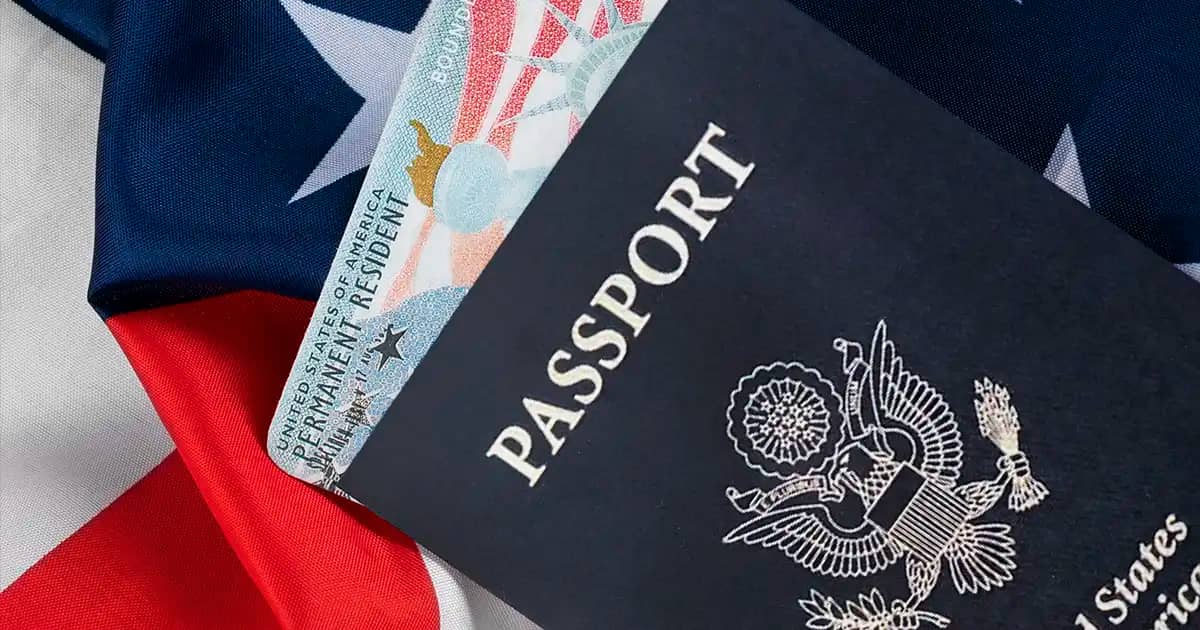
Migrants from Colombia, Venezuela, Peru, Ecuador, Argentina, Equatorial Guinea, Guatemala, the Dominican Republic, and Mexico often arrive in Texas with temporary visas. Every visa has an expiration date, and failing to renew on time can put your legal status in danger.
Being aware of your options is crucial, since overstaying a visa can bring serious immigration consequences. Preparing ahead allows you to protect your rights and explore alternatives that keep you within the law.
If your visa is close to expiring, do not wait until the last minute. Seek guidance, explore alternatives, and receive specialized advice from expert immigration lawyers to reduce risks and make informed decisions.
Signs That Your Visa Is About to Expire
One of the main challenges for many migrants is keeping track of deadlines. A visa may expire without you realizing it, especially if you are focused on work, studies, or family matters.
If you entered the United States on a tourist, student, or work visa, you should know that the expiration date on the visa itself is not always the same as the authorized period of stay granted by U.S. Customs and Border Protection (CBP).
For Latino migrants, especially those who travel frequently between Texas and their home countries, it is important to double-check both dates: the one on your visa and the one on your I-94 record.
How to Check the Expiration Date on Your Visa
To verify your status, you need two documents:
- Your visa stamp in the passport – which shows the validity period for entering the U.S.
- Your I-94 record – which specifies how long you are allowed to stay.
| Document | Where to Check | Important Detail |
|---|---|---|
| Visa in Passport | On the visa stamp | Shows how long you can use the visa to enter the U.S. |
| I-94 Record | CBP I-94 Website | Shows the authorized stay inside the U.S. |
Consequences of Not Renewing on Time
Failing to renew or change your status before your authorized stay ends can result in unlawful presence. Consequences include:
- Ineligibility for future visas or immigration benefits.
- Bars of 3 to 10 years from re-entering the U.S. (depending on how long you overstayed).
- Possible deportation or removal proceedings.
Options to Extend Your Legal Stay in the United States
If your visa is close to expiring, there are several legal mechanisms to request more time, depending on your situation.
Migrants in Texas from Venezuela, Mexico, or Guatemala, for example, often apply for extensions due to family reasons, health issues, or work opportunities. Each case must be carefully documented and filed before the deadline.
These are some of the most common legal paths:
Applying for a Temporary Visa Extension
Form I-539 (Application to Extend/Change Nonimmigrant Status) must be filed with U.S. Citizenship and Immigration Services (USCIS). You should apply at least 45 days before your current stay expires.
Requirements usually include:
- Proof of financial support.
- Valid passport.
- Justification for the extension (studies, treatment, family visit, etc.).
Changing Status to Another Visa Type
Sometimes, instead of extending, migrants may apply to switch to another visa. For instance, a student (F-1) may request to change to a work visa if eligible.
| Situation | Possible Adjustment |
|---|---|
| Student finishing studies | Apply for Optional Practical Training (OPT) |
| Worker with job offer | Apply for H-1B visa (if qualified) |
| Tourist with family ties | Apply for adjustment through family petition |
Temporary Protection Programs and Immigration Relief
Not all migrants can extend their visas. In some cases, humanitarian programs offer protection against deportation and allow legal stay.
In Texas, many Latino migrants rely on Temporary Protected Status (TPS) and other humanitarian measures that USCIS updates regularly.
TPS for Venezuelans
Venezuelans currently benefit from TPS, which grants protection from deportation and work authorization. To qualify, you must:
- Be a Venezuelan national (or stateless resident of Venezuela).
- Have continuously resided in the U.S. since the eligibility date established by USCIS.
- File within the open registration period.
Other Alternatives Available in Texas
For Colombians, Guatemalans, or Mexicans, TPS is not always available, but other options may include:
- Asylum applications (for those fleeing persecution).
- U visas (for victims of crimes who assist law enforcement).
- DACA (if you entered the U.S. as a child and meet requirements).
Practical Tips Before Your Visa Expires
Being proactive is essential to avoid falling into unlawful status.
Consult with an Immigration Lawyer
Every case is unique, and laws change often. A licensed immigration attorney in Texas can help you determine the best path depending on your nationality, family ties, and work opportunities.
Prepare Documentation on Time
Keep your passport, visa, I-94 record, financial documents, and any proof of employment or studies organized. Submitting incomplete applications is one of the most common reasons for denial.
Steps to Take If Your Visa Has Already Expired
Even if your visa has already expired, there are still options to consider, but time is critical.
Legal Consequences of Being in the U.S. Without a Visa
If you remain in the country unlawfully, you may face:
- Detention and removal by Immigration and Customs Enforcement (ICE).
- Difficulty adjusting status in the future.
- Travel restrictions for years.
Options to Regularize Your Status After Expiration
Depending on your situation, you may qualify for:
- Family-based adjustment of status (if married to a U.S. citizen or permanent resident).
- Humanitarian relief (such as asylum, U visa, or VAWA).
- Voluntary departure to avoid harsher penalties.
The best step is to act quickly and receive specialized advice from expert immigration lawyers who can help you evaluate your options and reduce the risk of long-term consequences.