What Is A Sustainable Home?
Tuesday 16 Sep 2025
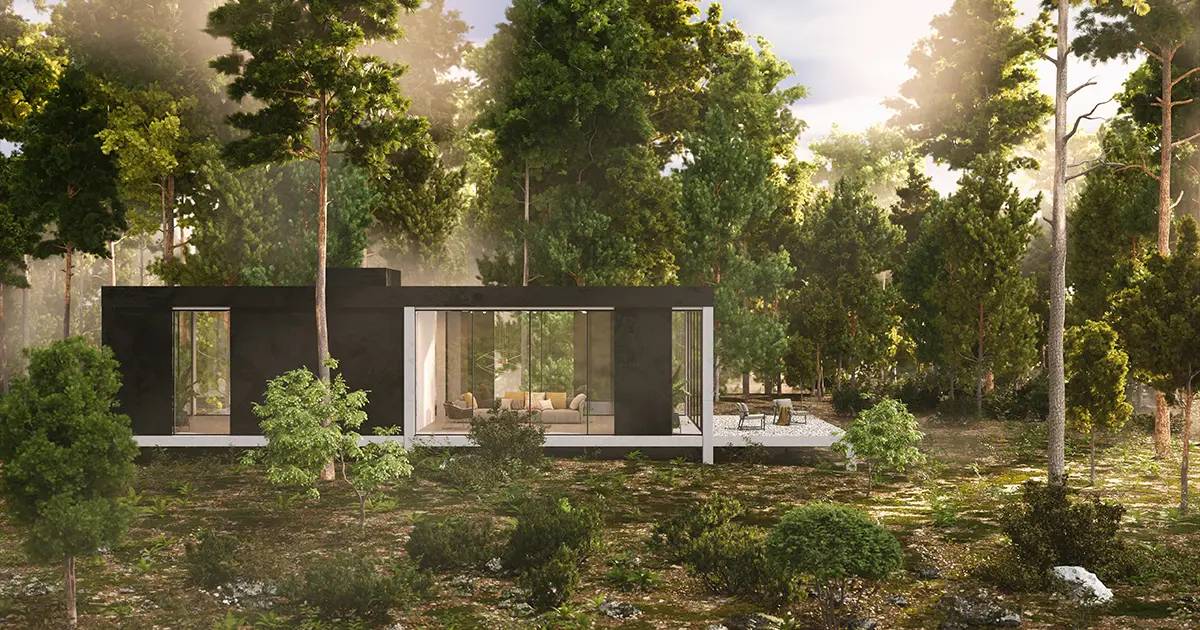
A sustainable home is a house designed and built under environmental sustainability principles, seeking to minimize its negative impact on the planet.
This is achieved through the efficient use of natural resources, the implementation of renewable energy systems, optimized water consumption, eco-friendly materials, and proper waste management.
For Latino families living in Texas, these homes are becoming more relevant, as they not only save money in the long term but also offer a healthier environment for your family. To make sure your investment is protected, it’s smart to compare the best home insurance rates and choose coverage that fits your needs.
How Do Sustainable Homes Work?
Sustainable homes use eco-friendly technologies and strategies to reduce environmental impact and improve resource efficiency. They rely on renewable energy, designs that optimize natural light and heat, water reuse systems, eco-materials, and orientation adapted to local weather conditions to maintain indoor comfort.
The result is a home that consumes fewer resources, produces less waste, and provides a healthier living environment in harmony with nature.
How Long Does A Sustainable Home Last?
With proper maintenance, a sustainable home can last over 100 years, providing savings in energy and resources while reducing environmental impact throughout its lifetime.
Although the initial investment can be higher, the durability and efficiency benefits make it cost-effective in the long run.
What Are The Benefits Of A Sustainable Home?
Sustainable homes offer many benefits that protect both the environment and the residents. Some of these include:
- Energy savings: Through renewable energy and efficient systems, electricity and heating costs are reduced.
- Water savings: Rainwater harvesting, gray water systems, and low-flow devices help reduce consumption and costs.
- Lower environmental impact: Eco-materials and reduced resource use decrease the home’s ecological footprint.
- Better indoor air quality: Non-toxic materials and advanced ventilation systems promote healthier air.
- Thermal comfort: Bioclimatic design and insulation keep indoor temperatures comfortable year-round with less heating or cooling.
- Higher resale value: Sustainable homes are in high demand in the housing market, often increasing property value.
- Climate change contribution: By reducing greenhouse gas emissions, these homes actively fight climate change.
What Are Sustainable Materials?
Sustainable materials are those with a low environmental impact throughout their lifecycle. They are usually recyclable, renewable, responsibly sourced, and manufactured with lower energy and resource use. Examples include:
- Sustainably sourced wood: Certified by organizations like FSC, ensuring biodiversity and ecosystems are protected.
- Bamboo: Fast-growing, renewable, and pesticide-free.
- Eco-concrete: Made with recycled materials or industrial by-products, reducing the need for Portland cement.
- Compressed earth blocks or adobe: Natural materials with low energy use in production.
- Natural insulation: Such as sheep’s wool, cork, or recycled cellulose fiber.
- Non-toxic paints and finishes: Made with natural or low-VOC ingredients for better air quality.
- Natural stone: When responsibly sourced, it is durable and low impact.
- Recycled glass: Used in decoration and structural elements, reducing waste and need for virgin materials.
Final Thoughts
Investing in a sustainable home not only helps protect the environment but also improves efficiency and comfort for your family. For Latino migrants in Texas, this is a smart step toward building a healthier and more affordable lifestyle. To protect your sustainable home with the right coverage, don’t forget to compare home insurance options and choose the plan that works best for your needs.