How Insurers Handle Damage After Natural Disasters in Texas
Thursday 11 Sep 2025
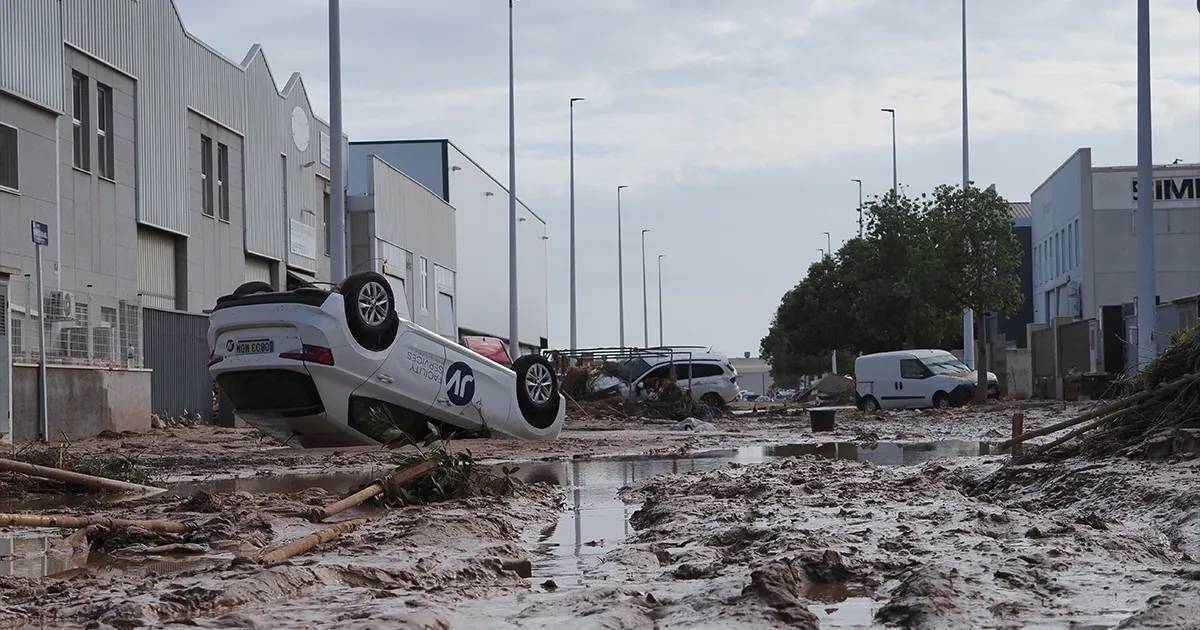
Natural disasters like hurricanes, floods, tornadoes, or severe storms can strike suddenly in Texas, causing major damage to homes and businesses. Understanding how insurers and federal programs work is crucial to ensure fast recovery and proper compensation.
Protect your Texas property today — compare the best rates and find the right home insurance policy.
Activation of Resources and Disaster Declarations
In the U.S., many emergency resources are activated only after a government declares a disaster. This declaration allows insurers and federal programs to start assisting affected homeowners and businesses.
- United States: FEMA (Federal Emergency Management Agency) coordinates disaster relief and compensation, especially in areas prone to flooding, hurricanes, and tornadoes.
- Texas: Local and state emergency offices work alongside FEMA to provide temporary shelters, emergency repairs, and claim assistance.
How to File Claims and Receive Compensation
The process varies, but in Texas:
- Contact your insurance company immediately after the disaster.
- Document all damages with photos and videos.
- Submit claims promptly and provide all requested documentation.
- For flood-prone areas, ensure you have coverage through the National Flood Insurance Program (NFIP).
Private insurers handle most residential claims, while FEMA may assist with disaster relief and infrastructure recovery.
Evaluating Damage and Paying Claims
After filing a claim, insurers send adjusters to assess the property. Key points:
- Speed and Coordination: Rapid assessments are crucial. FEMA and insurers may set up temporary offices in affected areas to accelerate claims.
- Coverage Scope: Homeowners’ policies may cover wind, hail, or storm damage, but flood damage often requires NFIP coverage.
Importance of Rapid Response and Coordination
Efficient recovery depends on coordination between insurers, federal agencies, and local authorities. In Texas:
- FEMA collaborates with state and local emergency management offices.
- Temporary housing and emergency repairs may be provided immediately.
- Clear communication ensures homeowners receive both insurance payouts and federal assistance where needed.
How Disaster Funds Are Financed
Understanding funding is essential:
- NFIP: Funded by premiums paid by policyholders in flood-prone areas.
- FEMA: Receives federal budget allocations for disaster response.
- Private Insurance: Covers individual policies for wind, hail, and other hazards.
Conclusion
Natural disasters can strike unexpectedly in Texas. Having the right insurance coverage — combined with federal and state disaster programs — ensures faster recovery and protects your finances.
Be prepared and protect your home — compare the best rates and choose the coverage that gives you peace of mind.