What Are Interior Walls in a House?
Friday 12 Sep 2025
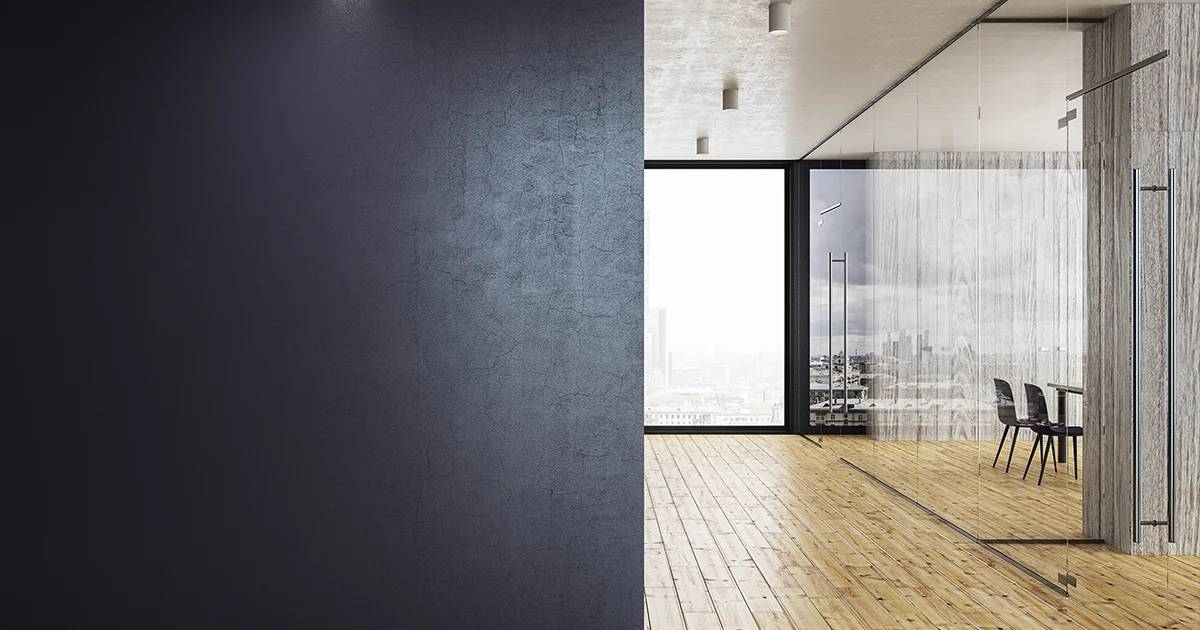
Interior walls (also called non-load-bearing walls) are used to divide spaces inside a home. They don’t support the building’s weight, but they help organize rooms and provide sound and thermal insulation.
Common materials for interior walls include drywall, hollow brick, wood, and gypsum panels, each with specific characteristics in durability, aesthetics, and ease of installation.
Interior walls can be damaged by fires, water leaks, floods, or vandalism, so it’s important to check if your home insurance covers repairs. A good policy helps avoid unexpected costs. Check your coverage and compare the best rates for home insurance, and you can also compare rates for life, health, and car insurance.
What Is an Interior Wall and What Is It For?
An interior wall is a thin, non-structural wall used to divide interior spaces in a house. It helps organize areas, provides privacy, and can offer some sound and thermal insulation between rooms.
What Happens If I Remove an Interior Wall Without Permission?
Removing an interior wall without the proper permit can lead to fines, the obligation to restore the space, insurance issues, difficulties selling or renting your property, and potential structural safety risks.
It’s important to obtain the necessary permit before making any changes to interior walls in your home.

What Permit Is Needed to Remove an Interior Wall?
To remove an interior wall in Texas, you generally need a minor construction permit issued by your city or county, since modifying the internal layout of a home can affect safety and habitability.
Additionally, you should review the specific regulations for your municipality, as requirements may vary by location.
Which Is More Expensive: Interior Walls or Concrete Blocks?
Building with concrete blocks is usually more expensive than interior walls due to higher material and labor costs, plus possible additional insulation needs.
However, the final choice depends on factors like durability, resistance, and cost.
Interior walls are essential for the layout and functionality of a home, but they may also require maintenance or repairs due to accidental damage. To protect your home from unexpected events like fires, leaks, or vandalism, it’s recommended to compare the best rates for home insurance and choose the policy that best fits your needs, ensuring peace of mind and full coverage.