What Are the 5 Food Groups of the Food Pyramid?
Thursday 11 Sep 2025
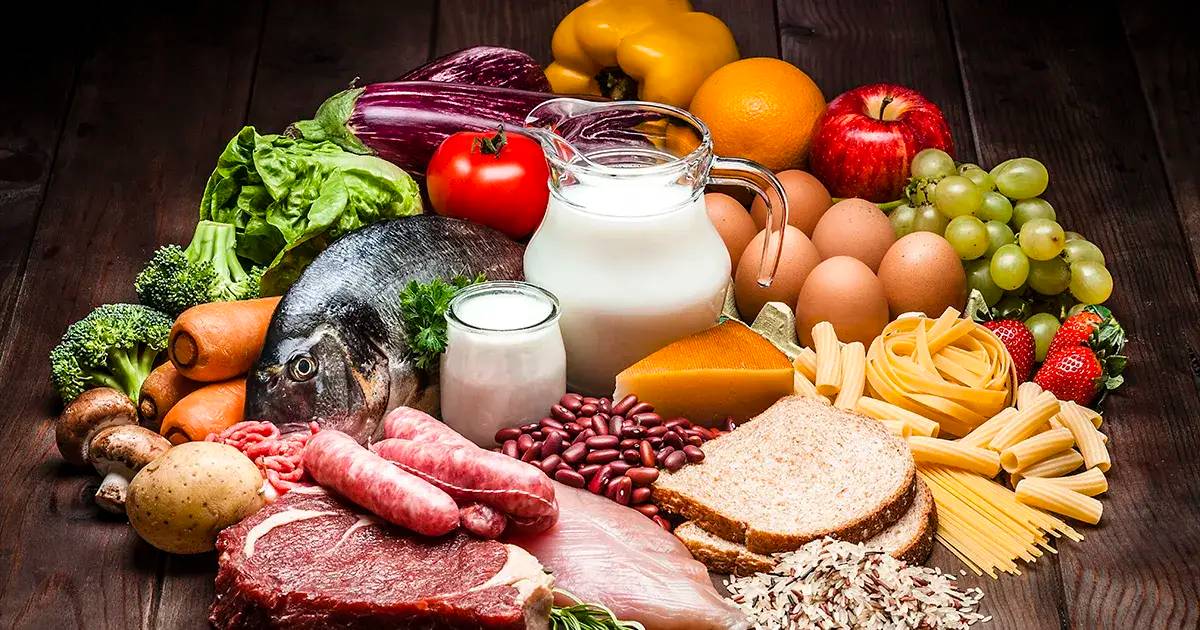
The food pyramid is a visual guide designed to help understand how to balance your daily diet. Traditionally, it is divided into five main food groups: you can compare the best rates on health, life, and other insurances while learning to keep your diet balanced.
- Grains: Bread, cereal, rice, and pasta. Whole grains are preferred as they provide more nutrients and fiber.
- Vegetables: A variety of colors and types to ensure a range of nutrients.
- Fruits: All fruits are included; whole fruits are recommended over juices to retain fiber.
- Proteins: Meat, poultry, fish, eggs, nuts, and legumes. Lean options are the healthiest.
- Dairy: Milk, cheese, and yogurt. Low-fat or fat-free versions are best.
What Are the 7 Food Groups?
Some food pyramid models include 7 groups by adding:
- Fats and oils
- Sweets and added sugars
Levels of the Food Pyramid
The traditional pyramid has four levels:
- Base (Grains): Largest portion of the diet; prefer whole grains.
- Second level (Vegetables and Fruits): Emphasizes daily intake for nutrients and fiber.
- Third level (Proteins and Dairy): Important for calcium, protein, and other essential nutrients; choose low-fat options.
- Top (Fats, Oils, and Sweets): Use sparingly for energy and certain nutrients.
How to Read the Pyramid
The pyramid is read from bottom to top:
- Grains at the base are consumed most.
- Vegetables and fruits form the second level for a high intake of vitamins and fiber.
- Proteins and dairy provide essential nutrients; moderate consumption.
- Fats, oils, and sweets at the top should be limited.
Nutrients in Each Group
| Food Group | Key Nutrients |
|---|---|
| Grains & Tubers | Carbs, fiber, some protein, B vitamins |
| Fruits | Vitamins A & C, potassium, fiber, antioxidants |
| Vegetables | Vitamins A, C, K, iron, calcium, fiber |
| Dairy | Calcium, high-quality protein, vitamins D & B12 |
| Proteins | Protein, iron, omega-3 (fish), vitamin B12 |
| Fats & Oils | Essential fatty acids, fat-soluble vitamins (A, D, E, K) |
| Sweets | Quick energy, low nutrients |
For those living in Texas, it’s important to balance your diet with locally available foods while considering cultural preferences. Incorporate fruits, vegetables, and grains that are familiar and affordable, and remember that moderation is key.
Compare the best rates on health, life, and other insurances to ensure your family is covered while maintaining a healthy lifestyle.