How to Bleed Radiators in a Home
Saturday 13 Sep 2025
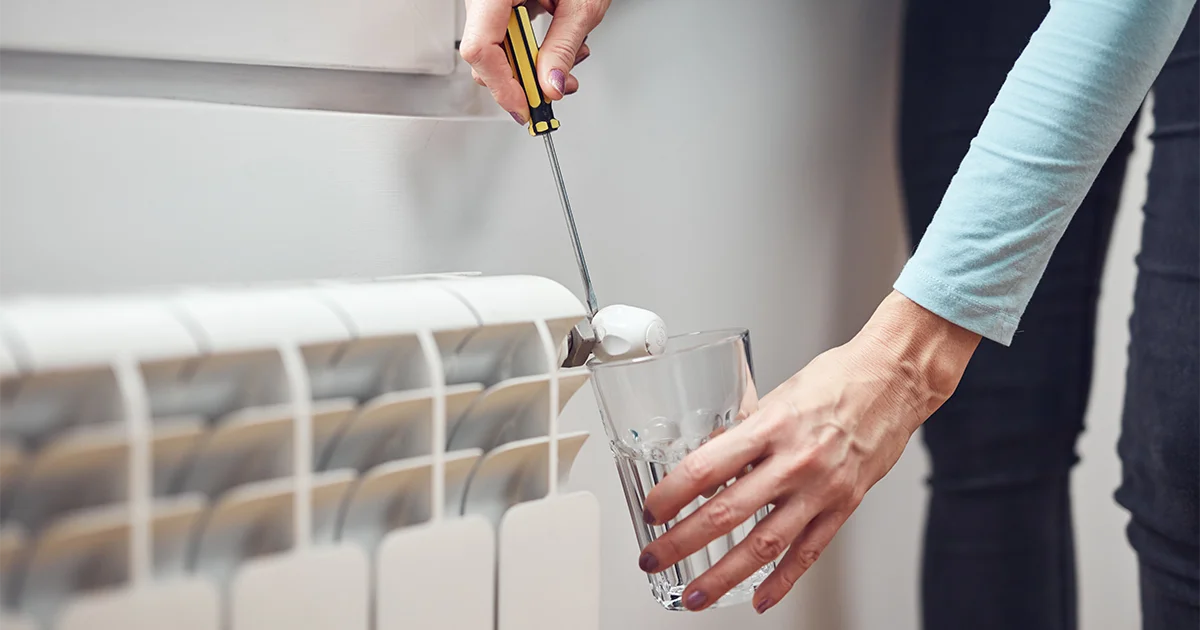
To bleed radiators and remove trapped air, turn off the heating system, locate the bleed valve on each radiator, and open it using a key or screwdriver until only water comes out and the air has escaped. Then close the valve.
Start with the radiators farthest from the boiler and work your way toward the closest ones. Finally, check and adjust the system pressure if necessary. To protect your home, check your coverage and compare the best rates for home insurance.
How Much Does It Cost to Bleed a Radiator?
For a single radiator bleeding service, prices in the U.S. typically range from $20 to $60 per radiator for a one-time service.
Costs can decrease if multiple radiators are serviced in the same visit or as part of a yearly heating system maintenance plan, which may include other services beyond radiator bleeding.

Should You Bleed Radiators When Hot or Cold?
Radiators should be bled when the system is cold. Doing so ensures that no hot water is circulating, which reduces the risk of burns from hot water or steam.
Bleeding a cold system also gives a more accurate reading of system pressure once the air has been removed and the system is refilled or adjusted. This ensures the heating system operates efficiently after bleeding.
What Happens if There is Air in the Radiators?
Air in radiators can cause uneven heating, as trapped air prevents hot water from circulating properly. Rooms may remain cooler than desired, and radiators may not heat efficiently.
Air can also generate gurgling, whistling, or knocking sounds in the system. This inefficiency forces the boiler to work harder to reach the desired temperature, increasing energy costs.
What Happens if Radiators Are Not Bled?
Failing to bleed radiators regularly can lead to inefficient heating, cold spots in rooms, and higher energy bills.
Regular bleeding maintains system efficiency, improves home comfort, and helps reduce heating costs.
Maintaining radiators in good condition ensures an efficient heating system and a comfortable home. If your policy covers it, home insurance can assist with heating system maintenance. For full protection and potential savings, check your coverage and compare the best rates for home insurance. You can also compare rates for life, health, and car insurance.