What is the life expectancy of a person with pulmonary fibrosis?
Monday 09 Feb 2026
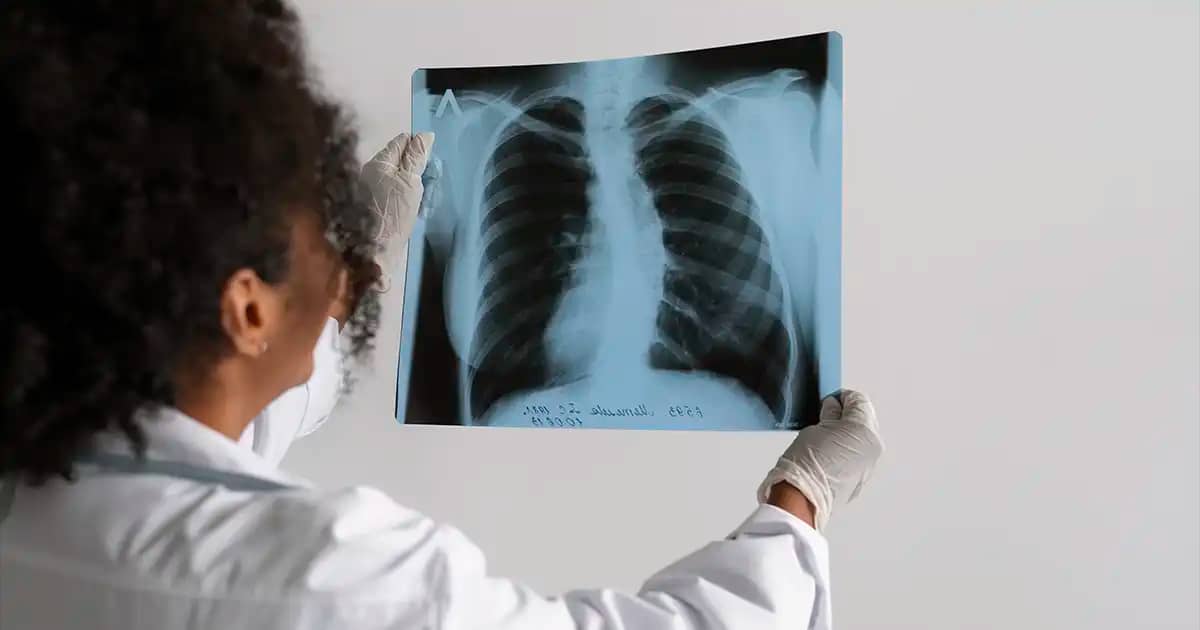
Pulmonary fibrosis is a chronic lung disease in which lung tissue becomes scarred and progressively stiff, reducing the lungs’ ability to deliver oxygen to the bloodstream. This condition commonly causes shortness of breath, persistent fatigue, and a gradual decline in physical capacity.
After diagnosis, one of the main concerns is life expectancy and access to specialized medical care. In the United States, where healthcare is largely privatized and costs can be extremely high, compare health insurance becomes a critical step in accessing pulmonologists, diagnostic tests, and long-term treatment.
Average life expectancy in Idiopathic Pulmonary Fibrosis (IPF)
Idiopathic pulmonary fibrosis (IPF) is the most common and generally the most severe form of pulmonary fibrosis. It is a disease of unknown cause that typically affects adults over the age of 50 and follows a variable clinical course.
According to international clinical guidelines and studies published in leading journals such as European Respiratory Journal (Raghu et al.), the median survival after diagnosis ranges from 3 to 5 years. This figure represents a statistical average and should not be interpreted as an individual prediction.
Importantly, early diagnosis and access to antifibrotic therapies can slow disease progression and improve both quality of life and overall survival.
Factors that influence life expectancy in pulmonary fibrosis
Disease progression varies significantly between patients. Several factors directly affect prognosis and survival.
Key prognostic factors
- Age and overall health at diagnosis
- Type of pulmonary fibrosis
- Baseline lung function (FVC, DLCO)
- Rate of symptom progression
- Presence of other chronic conditions
These factors help explain why some patients remain stable for longer periods, while others experience faster decline.
Disease progression and stages of pulmonary fibrosis
Pulmonary fibrosis is generally a progressive disease. In early stages, symptoms may be mild and mistaken for other respiratory conditions.
As the disease advances, shortness of breath worsens, even during routine activities. In advanced stages, patients may require long-term oxygen therapy and close medical supervision.
Early detection allows for better treatment planning and improved disease management.
Can you live with pulmonary fibrosis?
Yes, it is possible to live with pulmonary fibrosis, although it is a chronic condition requiring continuous medical care. Treatment focuses on slowing progression, managing symptoms, and maintaining independence as long as possible.
Many patients in the U.S. maintain a reasonable quality of life through medication, pulmonary rehabilitation, and consistent follow-up with specialists.
Treatment options and their impact on prognosis
Currently available antifibrotic medications have been shown to reduce the rate of lung function decline. While they do not reverse existing damage, they can improve long-term outcomes.
In the United States, these treatments can be very expensive, making comprehensive health insurance essential for access and continuity of care.
Why health insurance is essential for pulmonary fibrosis patients
Pulmonary fibrosis requires frequent specialist visits, advanced imaging, lung function tests, and long-term treatment. Without insurance, these costs can be financially overwhelming.
A strong health insurance plan helps ensure:
- Access to in-network pulmonologists
- Coverage for diagnostic testing
- Reduced out-of-pocket costs for medications
- Long-term continuity of care
For this reason, using a health insurance comparison tool is crucial for finding coverage that fits chronic respiratory conditions.
Common medical needs in pulmonary fibrosis
| Medical Service | Importance Level |
|---|---|
| Pulmonologist specialist | Very high |
| Pulmonary function testing | High |
| Chest CT scans | High |
| Pulmonary rehabilitation | Moderate |
| Oxygen therapy | High in advanced stages |
Conclusion: Life expectancy and healthcare planning in the U.S.
The life expectancy of a person with pulmonary fibrosis depends on multiple clinical factors, but in the U.S. healthcare system, having the right insurance coverage can significantly impact outcomes.
Healthcare planning is a core part of managing this disease. Using a health insurance comparison platform allows patients and families to evaluate plans that provide access to specialists, treatments, and diagnostic services, offering both medical support and financial peace of mind.
Tabla de contenido
- Average life expectancy in Idiopathic Pulmonary Fibrosis (IPF)
- Factors that influence life expectancy in pulmonary fibrosis
- Disease progression and stages of pulmonary fibrosis
- Can you live with pulmonary fibrosis?
- Treatment options and their impact on prognosis
- Why health insurance is essential for pulmonary fibrosis patients
- Common medical needs in pulmonary fibrosis
- Conclusion: Life expectancy and healthcare planning in the U.S.